
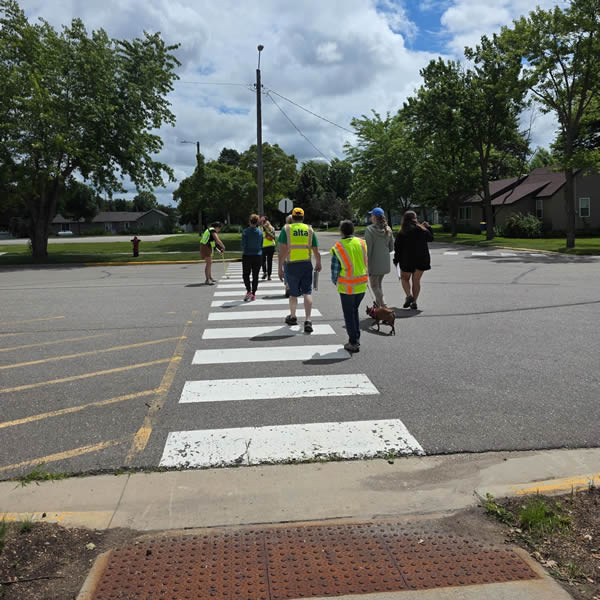
 Two Region 4 CEDA communities are laying the groundwork for safer, healthier, and more connected futures through participation in an Active Transportation Planning cohort.
The grant funded program provides technical assistance, community engagement opportunities, and planning resources to help communities develop a vision for better walking, biking, and rolling.
This summer, residents in Benson and Parkers Prairie had the opportunity to help shape that vision firsthand through community bike and walk audits. Guided by planning consultants, participants explored their communities, identifying barriers, opportunities, and potential improvements that could make it easier and safer for people of all ages and abilities to get around.
The feedback gathered during these events will play a key role in developing each community’s Active Transportation Master Plan. These plans will serve as roadmaps for future investments in sidewalks, trails, crossings, bicycle infrastructure, and other improvements that support safe and accessible transportation options.
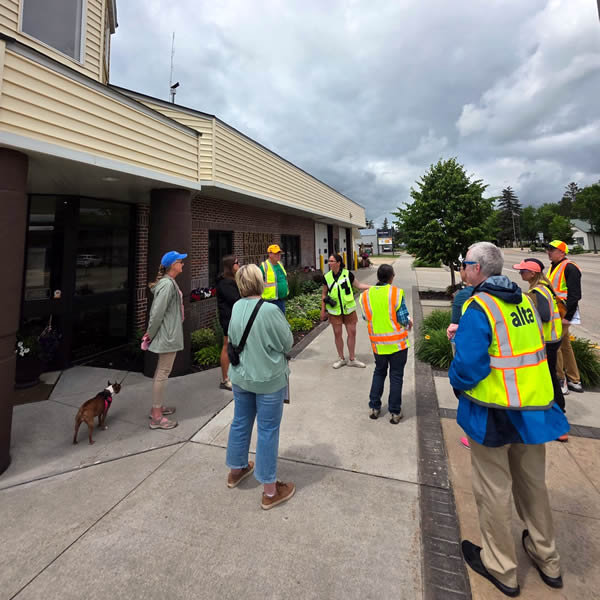 Active transportation planning helps communities improve safety and accessibility, support local businesses, promote healthy lifestyles, and strengthen connections between neighborhoods, schools, parks, and downtown destinations. It also helps position communities to pursue future funding opportunities that can bring these projects to life.
A key component of the planning process is collaboration. Successful active transportation plans are built through partnerships between local leaders, residents, technical experts, and organizations that bring valuable perspectives and resources to the table. Agencies such as the Minnesota Department of Transportation, regional public health partners, planning consulting firms, and community development professionals each play an important role in ensuring plans are both community-driven and technically sound. These partnerships help communities identify priorities, evaluate opportunities, and develop realistic strategies for implementation.
CEDA is proud to support these efforts and help our communities turn local ideas into actionable plans.
