
Child Care Is Economic Development:
Building Stronger Communities Through Collaboration CEDA participates in statewide conversation on child care, workforce development, and the future of rural communities.
Access to quality, affordable child care is about more than helping families. It’s an important part of building strong communities, supporting our workforce, and creating opportunities for businesses and families to succeed.
On October 20–21, CEDA Community and Business Development Specialist Allison Whalen participated as a panelist at First Children’s Finance’s 2026 Foundations of the Future: Child Care Is Economic Development conference in Willmar, Minnesota.
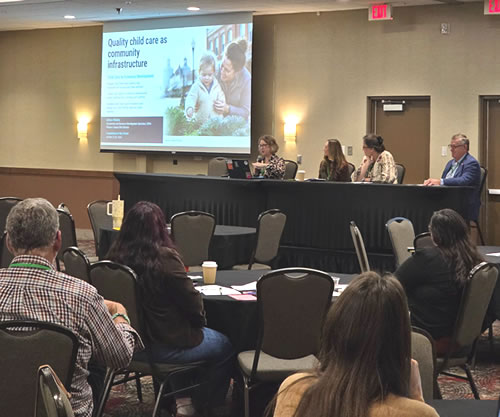
Whalen’s presentation focused on the importance of recognizing child care as essential community infrastructure, much like housing, transportation, and utilities. When families don’t have access to dependable child care, the impacts reach far beyond the household. Parents may struggle to remain in the workforce, employers face challenges attracting and retaining employees, and communities miss opportunities for growth.
Another important part of the conversation was understanding the financial challenges facing child care providers. While families are paying significant amounts for care, that doesn’t necessarily mean providers are making a profit. Between staffing, facilities, insurance, food, and other operating expenses, many providers are working with very narrow margins. Finding solutions means understanding the challenges on both sides and recognizing that quality, affordable child care needs to be sustainable for everyone involved.
The presentation also explored how local governments and economic development organizations can help. Whether it’s connecting providers with resources, addressing facility challenges, bringing partners together, or identifying opportunities for funding, there are ways communities can support child care without having to become child care providers themselves.
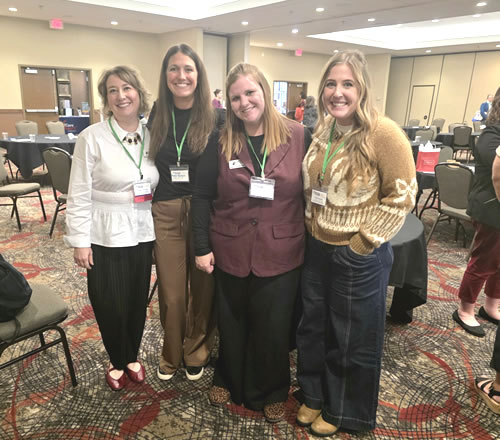
One of the highlights of the conference was the opportunity to connect with other professionals from across Minnesota who are working on many of these same challenges.
“One of the most valuable parts of this experience was meeting other professionals who are doing this important work in their own communities,” Whalen shared. “While our communities may be different, we’re facing many of the same challenges. Having those connections means we can share what’s working, learn from each other’s experiences, and help each other be more successful. We don’t all need to reinvent the wheel.”
Turning Conversations into Action in Fillmore County
This opportunity to learn from others comes at an important time as CEDA continues working with Fillmore County through First Children’s Finance’s Rural Child Care Innovation Program (RCCIP).
Since joining the program in 2025, Fillmore County has completed the first phase of the initiative, which focused on taking a closer look at the county’s child care landscape, identifying gaps in services, and better understanding the challenges facing families and providers. The county has since moved into goal setting and planning, bringing community members and stakeholders together to identify priorities and begin developing solutions.
One of the primary goals is to reduce Fillmore County’s child care slot deficit, closing the gap between the number of children needing care and the number of available child care spaces. Other priorities include improving communication about child care efforts and developing a centralized resource base to help families and providers find the information and support they need.
The next phase of RCCIP will focus on putting these goals into action. This includes identifying specific projects, building partnerships, and bringing additional volunteers and community members into the process.
The connections made at the conference will be valuable as this work continues. Learning what other communities have tried, what has worked, and even what hasn’t worked can help us make better decisions and use our resources more effectively.
Looking Ahead
“We can’t have a conversation about housing or attracting workforce without including child care in that conversation,” Whalen emphasized. “If we want families to move to our communities, put down roots, and contribute to our local economies, we need to make sure they have access to the services that make that possible.”
Child care is connected to housing, workforce development, business growth, and the overall quality of life in our communities. It deserves a place in our economic development discussions and planning efforts, rather than being treated as a separate issue.
There isn’t one solution that will work for every community, and addressing child care challenges won’t happen overnight. But by working together, sharing ideas, and taking a thoughtful approach to identifying and reducing barriers, we can make meaningful progress.
Through programs like RCCIP and partnerships with organizations and professionals across Minnesota, CEDA is helping communities move beyond identifying the challenges and toward finding solutions that work for the people who live and work there.
As we discuss new housing developments, workforce recruitment, and business expansion, we should all be asking ourselves: Does our community have the child care capacity to support that growth?
That’s a question worth asking at every economic development table.
